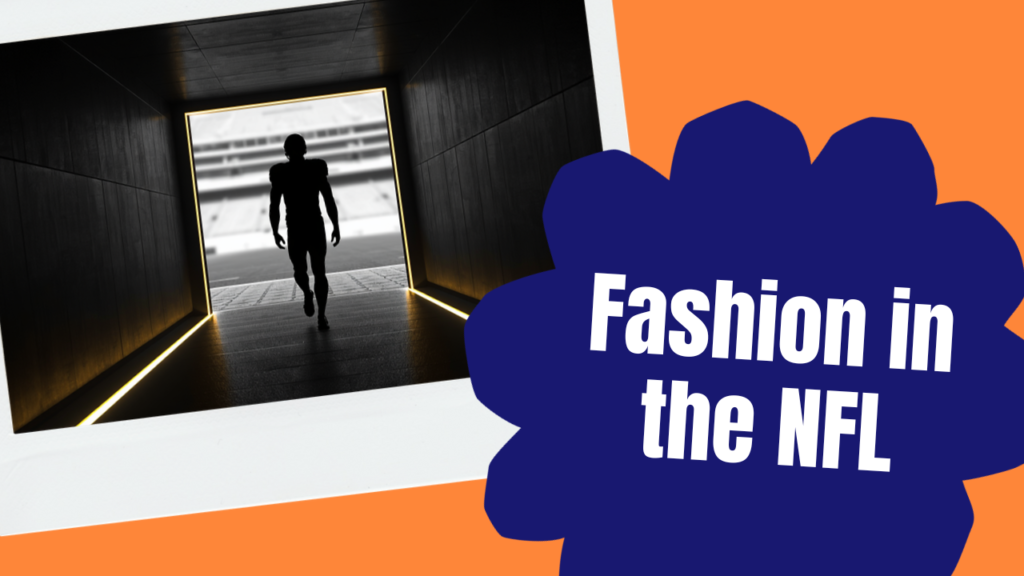
Something has shifted in professional football, and it’s not on the scoreboard. Fans and analysts have spent this offseason noticing that the NFL, a league that spent decades cultivating an identity built around stoicism, hard-nosed toughness, and a locker-room culture that rewarded silence over self-expression, is starting to look a lot like the NBA. Tunnel walks have become fashion runways. Sideline moments and relationships go viral before the game clock even starts. Personal branding — the Instagram aesthetic, the podcast appearance, the sneaker collab — is now as central to a player’s public identity as his stat line.
Some fans love it. It makes the league feel more human, more relatable, more honest about the fact that these are twenty-something men with personalities, taste, and lives beyond the 100-yard field. Other fans hate it, arguing football is supposed to be about performance, not presentation, and that the culture shift is a symptom of a league chasing the NBA’s younger, more culturally engaged audience rather than trusting the sport itself to carry the weight.
I think both camps are missing the more interesting question underneath the surface-level debate, which is this: what does it mean that an entire generation of Black and brown athletes — because let’s be honest, this shift is disproportionately being driven by Black players setting the tone on fashion, self-expression, and public personality — is redefining what a “masculine” public figure in America is even allowed to look like? That’s not a small cultural moment. That’s a real one, and it deserves more than a hot-take culture-war framing of “old football good, new football bad.”
For most of my lifetime, the model of Black masculinity most rewarded and most visible in mainstream American sports media was a specific, narrow one: stoic, physically dominant, emotionally contained, media-trained to say as little as possible. That model served a purpose in its era, and plenty of men I respect built their whole public identity around it, myself included for a long stretch of my own life, coming out of the military into a media career where I was taught that showing too much of yourself was a liability. But it was also a mask, and a lot of men wore it because the alternative wasn’t available to them professionally, not because it reflected who they actually were.
What’s happening in the NFL right now — the fashion, the personality, the willingness to be seen as a full person rather than a helmet with a jersey number — looks to me less like a marketing gimmick and more like a generation of players deciding they don’t have to choose between being taken seriously as a competitor and being visibly, unapologetically themselves. That’s worth naming as progress, even for the fans who find it distracting. A young Black man watching football in 2026 is seeing players who dominate physically and also dress how they want, speak how they want, and build a public identity that isn’t flattened into a single acceptable mode of masculinity. That matters for how an entire generation of young men — not just athletes — thinks about what strength and self-expression are allowed to look like together.
I’d push back gently on the idea that this dilutes the sport. Toughness and personality were never actually opposites; we just built a media culture around football that pretended they were, largely because it was easier to market a symbol than a person. The players driving this shift are still, week to week, some of the most physically dominant human beings on the planet. Nobody watching a starting NFL lineman lift, run, and hit anyone believes footwork in the tunnel makes him soft. The idea that self-expression and elite performance can’t coexist was always a cultural choice, not a competitive necessity.
Where I do think the skeptics have a legitimate point: there’s a real risk that the NFL leans so hard into culture and branding that it starts under-investing in the actual football — officiating quality, player safety infrastructure, competitive integrity — while chasing attention metrics the way some of the WNBA’s growing pains suggest can happen when a league’s cultural momentum outpaces its institutional readiness. Culture and substance aren’t in conflict, but they do require the league to invest in both at once, not trade one for the other.
Bottom line: this shift isn’t the NFL “becoming” the NBA, and it isn’t a threat to the sport. It’s a generation of predominantly Black athletes finally being allowed — by fans, by media, by a league smart enough to see the commercial upside — to show up as whole people. That’s a bigger and better story than the fashion angle alone suggests.