Iran-backed Houthi forces launched retaliatory strikes this week as the broader Iran-Israel-U.S. conflict grinds into a phase that analysts increasingly describe in one specific, cynical framing: a war that “threatens to blunt GOP turnout in midterm battlegrounds.” Read that phrase again. That’s not a description of a humanitarian crisis, a regional power struggle, or a national security threat. That’s a description of a political liability calculation. And that framing – showing up across the political press this week – tells you almost everything about the gap between how Washington processes this conflict and how it actually lands on the people I talk to in Oak Creek and across Milwaukee.
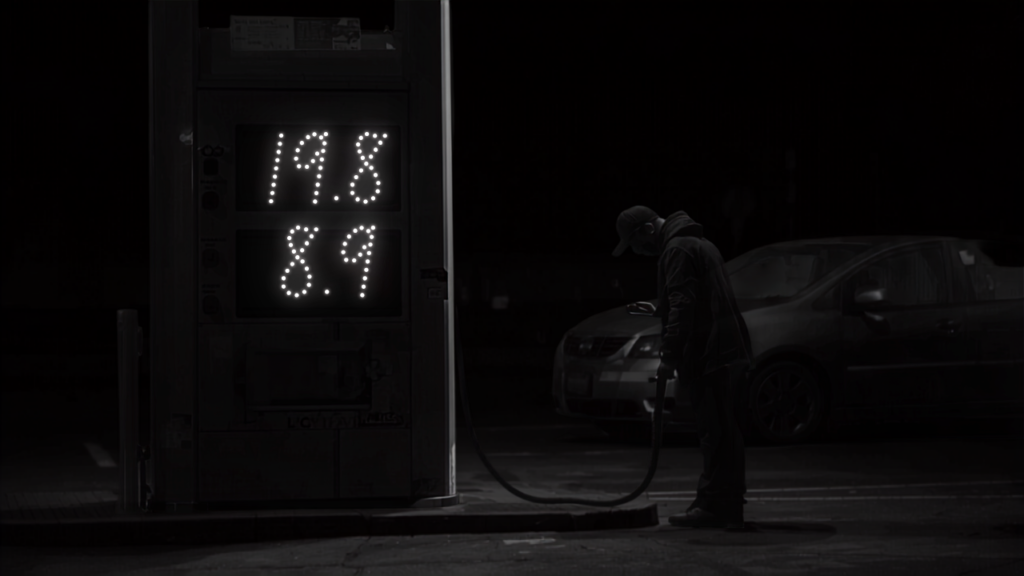
Here’s the disconnect. In D.C., this war is being metabolized as a midterm variable: will it help or hurt turnout, will it cut against the administration or for it, does it move swing voters in Wisconsin, Michigan, Pennsylvania. In the neighborhoods I cover, this war is being metabolized as a gas price. As a grocery bill. As whether the cost of shipping goods through a destabilized region shows up at the register before it shows up in a headline. Those are two completely different conversations happening about the same event, and only one of them is getting oxygen in the national press.
I’m not going to pretend I have inside knowledge of Pentagon strategy or a confident prediction on how this conflict resolves. What I do know, from watching every major conflict of the last two decades ripple through American household budgets, is the pattern: energy markets react to Middle East instability faster than any other economic sector, and the people who feel that first aren’t the ones setting foreign policy – they’re the ones driving to a second job, running a small business with thin margins, or trying to keep a heating bill manageable heading into fall. That’s not a partisan observation. It’s just how energy-linked inflation works.
What frustrates me about the coverage – and I say this as someone who reads widely across the political spectrum specifically to avoid becoming what I criticize – is that neither side is being honest about the tradeoffs. The administration’s framing treats military posture in the region as a strength narrative without acknowledging the domestic economic exposure that comes with it. The opposition’s framing treats the same conflict as a talking point about instability without offering a coherent alternative posture that wouldn’t carry its own costs. Both are optimizing for the midterm story instead of leveling with people about what a prolonged regional conflict actually costs a household in Milwaukee this winter.
I think about this through the lens of my own service. When you’re in a combat zone, the distance between the decision and the consequence is measured in feet. In Washington foreign policy, that distance gets measured in electoral cycles, and something gets lost in that stretch – an urgency, an honesty, a willingness to just tell people plainly: this could raise your costs, here’s by how much, here’s what we’re doing to cushion it. I haven’t heard that sentence from either party this week. I’ve heard turnout math.
So here’s my ask, and it’s a solution-first one, not a cynical one: local and regional outlets – including this one – need to start covering the economic transmission line of this conflict as closely as we cover the geopolitical headlines. What’s the realistic range for gas prices in the Midwest through Q4 if the conflict continues at its current intensity? What’s the actual exposure for Wisconsin manufacturers who depend on global shipping lanes running through affected waters? Those are answerable questions, and independent-minded readers deserve outlets willing to chase the answer instead of the horse-race narrative.
If you’re a politically independent reader trying to make sense of this the way I try to – skeptical of both the “everything’s fine” reassurance and the “everything’s collapsing” doom – here’s where I’d focus: watch regional gas price averages over the next three weeks, not the cable news chyrons. Watch whether either party’s Wisconsin delegation says a single specific word about energy cost relief tied to this conflict, versus general statements of support or concern. And ask yourself, every time you see this story framed around midterm turnout, who that framing is actually serving. It’s not you.
Marcus Hart
Sources: Times of Israel and regional wire coverage on Iran-Houthi strikes and midterm turnout analysis.